The flower beds that actually work long term are built around the same principle: reliable plants doing the structural work, expressive blooms filling the gaps. Without that backbone, a garden looks good in May and difficult by August.
This guide covers practical layouts that hold seasonal interest across the year without turning maintenance into a second job.
Popular options include traditional border beds along pathways, raised beds that improve drainage and accessibility, and relaxed wildflower-style plantings that support a more natural look. Each approach offers different visual and maintenance benefits, making it easier to choose a design that fits both the space and the level of care required.
1. Classic Border Flower Beds

Classic border flower beds remain one of the most reliable and widely used garden designs. Positioned along walkways, fences, or the edges of a yard, they help define space and create a clean, organized appearance.
These beds are often planted with long-lasting perennials such as lavender, hydrangeas, and roses, then supplemented with seasonal annuals to maintain visual interest throughout the year. When planned carefully, border beds provide both structure and flexibility while keeping maintenance relatively straightforward.
2. Raised Flower Beds

Raised flower beds are a practical option for gardens that benefit from clearer structure and improved growing conditions. By lifting the soil level, these beds help manage drainage and reduce soil compaction, which can support healthier plant growth. They also make planting and maintenance more accessible, especially in smaller or frequently used garden areas.
Common frame materials include wood, stone, and metal, each offering a different visual character. Raised beds are often planted with dependable flowering varieties such as marigolds, petunias, and snapdragons, which provide consistent color and perform well in controlled soil environments.
Top Picks for Your Garden
3. Wildflower Beds

Cottage-style wildflower beds create a relaxed, informal look that works well in gardens where a more natural planting style is preferred. These beds typically combine hardy flowering plants such as daisies, coneflowers, and black-eyed Susans, allowing them to grow in loose groupings rather than strict rows.
Because the plants are well adapted and self-sustaining, maintenance is usually limited to seasonal trimming and occasional thinning. Wildflower beds also support local pollinators, adding ecological value while maintaining a visually rich and varied garden space.
4. Island Flower Beds

Island flower beds are designed as standalone features, typically placed in the center of a lawn or open yard to draw the eye and create a clear focal point. These beds often work best with a central anchor, such as a small ornamental tree, shrub, or garden feature, surrounded by layered plantings. Using flowers in complementary color groups helps maintain balance from all viewing angles.
Spring bulbs like tulips and daffodils provide early interest, while summer annuals such as zinnias and begonias extend color through the warmer months. This seasonal layering keeps the bed visually engaging without requiring constant replanting.
5. Rock Garden Flower Beds

Rock garden flower beds are well suited to areas where water conservation and low maintenance are priorities. By combining natural stone with drought-tolerant plants such as succulents, ornamental grasses, and lavender, these beds create a structured yet organic appearance.
The use of gravel or rock mulch helps reduce weed growth and retain soil stability, which limits ongoing upkeep. This style is particularly effective in dry or sunny climates, where traditional flower beds may struggle, while still offering texture, contrast, and long-term visual appeal.
6. Shaded Flower Beds

Shaded flower beds make it possible to create a full, layered garden in areas that receive limited direct sunlight. Spaces beneath trees or along building walls often benefit from plants adapted to lower light and cooler soil conditions. Shade-tolerant options such as ferns, hostas, and impatiens are commonly used because they maintain healthy foliage and steady growth without prolonged sun exposure.
When planted in groups with varied leaf shapes and heights, shaded beds can feel lush and intentional rather than sparse, even in challenging light conditions.
7. Monochrome Flower Beds

Monochrome flower beds focus on a single color palette to create a calm and cohesive garden design. Rather than relying on one plant type, this approach uses a mix of flowers in different shades and forms to add depth and variation. An all-purple planting, for example, may combine lavender, salvia, and violets, each contributing distinct textures and bloom shapes.
When balanced carefully, monochrome beds appear refined and intentional while remaining visually engaging throughout the growing season.
8. Vertical Flower Beds

Vertical flower beds offer an effective solution for gardens with limited ground space. By using trellises, hanging baskets, or stacked planters, these designs introduce height and visual interest without expanding the planting area. Climbing and vining plants such as clematis, morning glories, and sweet peas are commonly used because they adapt well to upward growth and provide seasonal blooms.
Vertical beds are especially useful in small yards, patios, and urban gardens, where maximizing space is essential while maintaining a balanced, decorative layout.
9. Perennial Flower Beds

Perennial flower beds are ideal for gardeners seeking lasting structure and reduced maintenance. These plants return each year, providing consistent blooms and foliage without the need for annual replanting. Common choices include peonies, daylilies, and asters, which offer extended seasonal interest and adaptability to a range of garden conditions.
When arranged thoughtfully by bloom time, height, and color, perennial beds can maintain visual appeal throughout the growing season while minimizing ongoing care.
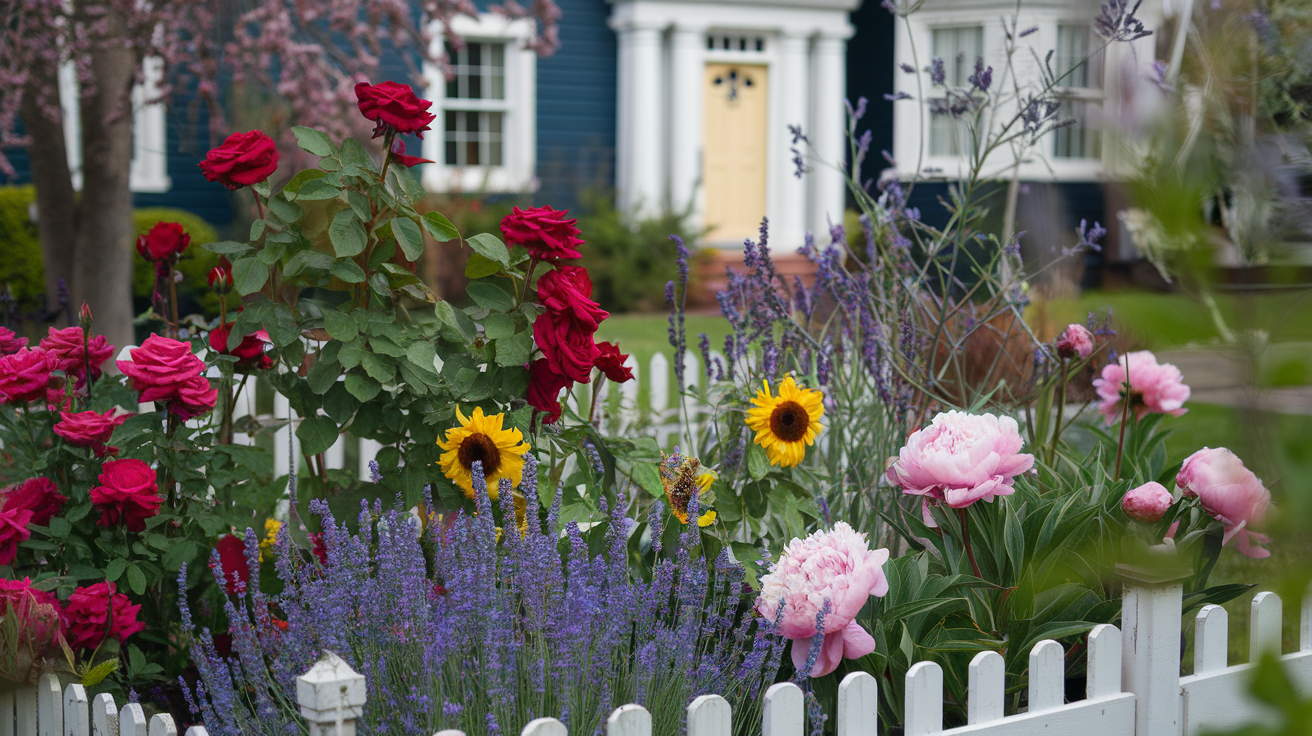
10. Cottage-Style Flower Bed with a classic White Fence

Cottage-style flower beds framed by a white picket fence create a structured yet inviting garden feature. The fence defines the space, offering both visual interest and gentle protection for delicate plants.
Soft-colored flowers such as roses, peonies, hydrangeas, and foxgloves thrive in this arrangement, while climbing plants like clematis or sweet peas can grow along the fence to add height and layered texture. This combination balances form and function, providing seasonal color and a classic, timeless aesthetic suitable for a variety of garden settings.
11. Wall Flower Beds with Trellises for Climbing Plants

Wall flower beds with trellises provide an efficient way to introduce vertical greenery and color in limited spaces. Installing supports such as wooden trellises, metal frames, or decorative arbors allows climbing plants like clematis, roses, ivy, and sweet peas to grow upward, maximizing space while enhancing visual interest.
These beds are effective for softening walls or fences, creating a sense of depth, and adding layered texture to the garden. When arranged thoughtfully, vertical planting can transform otherwise plain surfaces into lush, engaging focal points.
12. Low-Maintenance Alpine Rock Garden Flower Bed

Alpine rock garden flower beds combine natural stone arrangements with drought-tolerant plants to create a layered, visually interesting landscape. Using rocks to form elevations and terraces mimics a mountainous environment while improving drainage and soil stability. Small succulents, sedum, echeveria, and sempervivum thrive in these conditions, requiring minimal maintenance.
Adding lavender introduces both seasonal color and a fragrant element, enhancing the sensory appeal of the garden. This approach provides long-lasting visual structure and low-maintenance planting, making it suitable for gardeners seeking a durable yet attractive flower bed.
13. Small but Vibrant Mixed-Flower Bed

Small flower beds can deliver significant visual impact when plants are selected for contrasting colors, textures, and heights. Combining species such as marigolds, petunias, zinnias, and salvia creates a layered effect that adds depth and maintains seasonal interest.
Grouping flowers in tiers or coordinated color blocks enhances cohesion and ensures the bed appears full and dynamic despite limited space. In addition to visual appeal, mixed plantings support local pollinators, attracting butterflies and bees and contributing to a healthy garden ecosystem.
14. Bright Spring Flower Bed with Tulips, Hyacinths, and Daffodils

Spring flower beds featuring tulips, hyacinths, and daffodils provide vibrant seasonal color and fragrance, signaling the transition from winter. Planting bulbs in clusters creates a dense, visually engaging display, while mixing shades of yellow, pink, purple, and white adds depth and variation. Selecting early, mid, and late-blooming varieties ensures a continuous succession of flowers throughout the season.
Thoughtful placement and color coordination allow the bed to maintain a balanced, lively appearance while highlighting the natural charm of spring blooms.
15. Romantic Cottage-Style Flower Bed

Cottage-style flower beds create a soft, layered garden aesthetic using pastel-colored flowers arranged for natural overflow and seasonal interest. Combining roses, peonies, foxgloves, and delphiniums adds height variation and texture, while climbing plants such as clematis or climbing roses can be trained on trellises to introduce vertical structure.
This planting approach works well alongside rustic garden elements, creating a harmonious balance between cultivated and natural forms. Careful selection and placement of plants ensure the bed maintains visual appeal throughout the growing season.
Garden Design Insights
Garden flower bed designs offer a range of possibilities for creating visually appealing and functional outdoor spaces. Whether the preference is for structured, formal beds or relaxed, natural layouts, careful plant selection and thoughtful arrangement can enhance both aesthetics and seasonal interest.
Combining complementary colors, varied textures, and appropriate bloom times ensures that flower beds remain attractive throughout the year. With strategic planning and consideration of space and light, any garden can be transformed into a cohesive and inviting environment that supports both beauty and ease of maintenance.
This article may contain affiliate links. If you make a purchase through these links, I may earn a small commission at no extra cost to you. Thank you for supporting the blog!