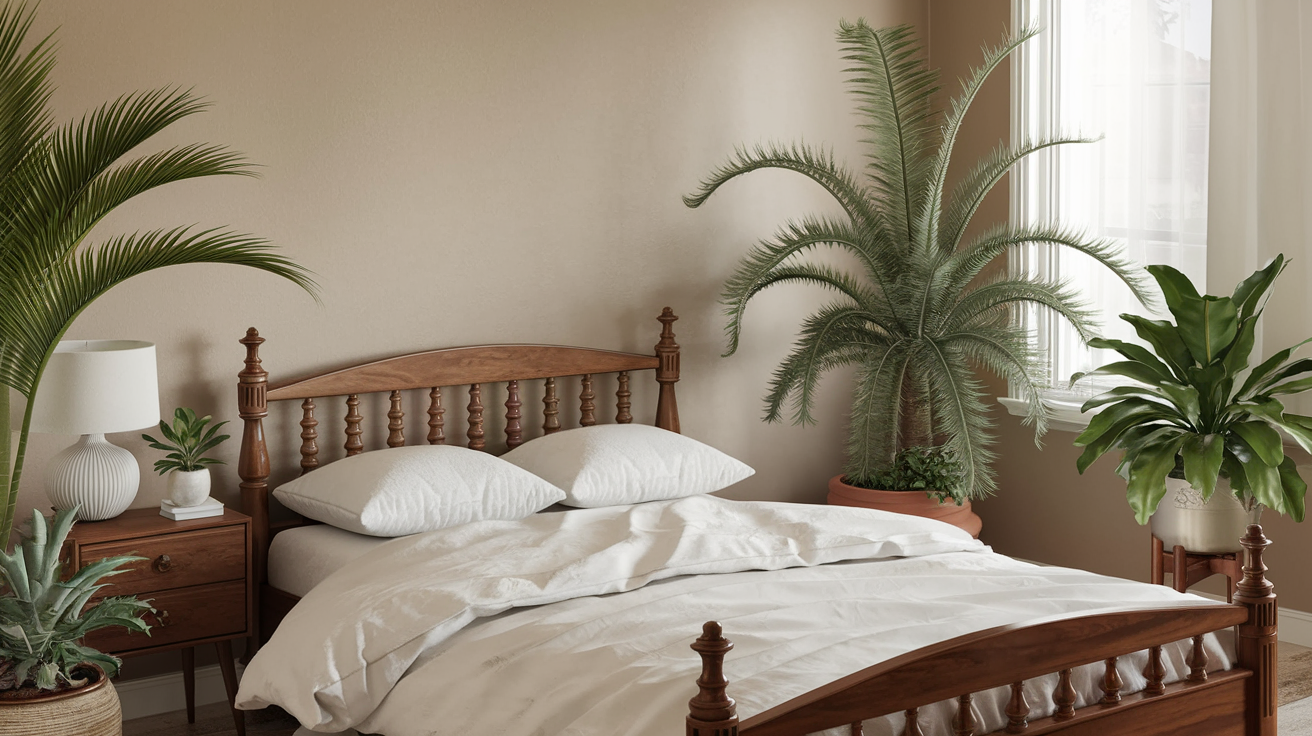
Plants in bedrooms work best when they’re part of the room’s logic rather than decorations placed on a shelf. A botanical bedroom uses natural materials, earthy tones, and organic textures alongside plants to create something that feels consistently calm rather than just green.
This guide covers how to build that environment from scratch or layer it into an existing room.
Why Is the Botanical Bedroom Trend So Popular?
A Connection to Nature – Modern urban life and constant screen exposure create a desire for natural surroundings. A botanical bedroom integrates plants indoors, fostering calm, relaxation, and overall well-being through subtle, natural elements.

Biophilic Design Influence – Biophilic design emphasizes natural elements in interiors to support mental health and increase daily productivity. Research indicates that greenery reduces stress, improves air quality, and supports better sleep.
Sustainability and Eco-Friendly Living – Homeowners increasingly seek sustainable design choices. Botanical bedrooms often incorporate organic textiles, natural materials, and upcycled furniture for style and environmental responsibility.

Aesthetic and Versatility – Botanical themes adapt to minimalist, bohemian, or modern interiors, offering flexibility for any style. From neutral palettes to vibrant jungle-inspired patterns, the design provides limitless creative possibilities while enhancing visual appeal and harmony.
Essential Elements of a Botanical Bedroom
1. Greenery and Indoor Plants
Plants are the central feature of a botanical bedroom, bringing life, texture, and a refreshing atmosphere to any space. Popular choices combine aesthetic appeal with practical benefits:
- Snake Plant – Low maintenance and recognized for air-purifying qualities.
- Pothos – A trailing plant that thrives in indirect light, adding natural movement.
- Peace Lily – Elegant and effective at filtering indoor air for a healthier environment.
- Fiddle Leaf Fig – Makes a bold statement and enhances the room’s style.
- Lavender – Offers a calming scent that promotes restful sleep and relaxation.

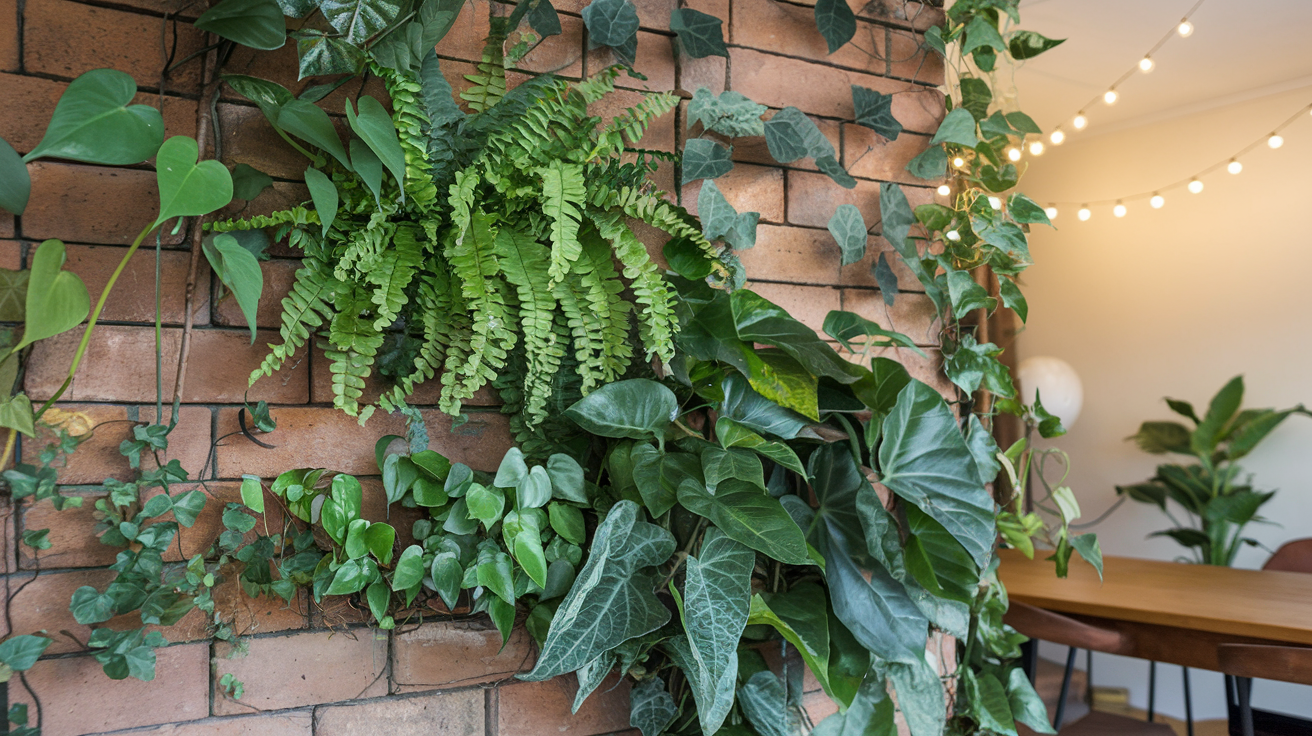
Pro Tip: For low-maintenance options, artificial plants or preserved moss walls create a natural aesthetic without the need for daily care.
2. Earthy and Natural Color Palette

Creating a botanical atmosphere begins with earthy tones and nature-inspired hues.
- Shades of Green – From deep forest to soft sage, green adds freshness and vitality.
- Warm Neutrals – Beige, taupe, and soft brown provide a cozy and grounding effect.
- Terracotta and Rust – Introduce warmth and subtle contrast to the space.
- Muted Pastels – Blush pink, dusty blue, and lavender offer a gentle, calming touch.
3. Botanical Prints and Textiles

Textiles with nature-inspired patterns enhance the botanical bedroom aesthetic while adding texture and personality.
- Floral or Leafy Wallpaper – Creates a striking accent wall that reflects natural elements.
- Nature-Inspired Bedding – Leaf or tropical prints bring subtle outdoor charm indoors.
- Cotton or Linen Curtains – Light, breathable fabrics contribute to an airy, organic atmosphere.
- Macramé Wall Hangings – Introduce texture and a bohemian, nature-infused touch.
4. Natural and Sustainable Materials

A botanical bedroom benefits from eco-conscious materials that strengthen its natural ambiance.
- Wooden Furniture – Light oak, bamboo, or rattan adds warmth, texture, and a timeless appeal.
- Linen and Cotton Bedding – Soft, breathable, and environmentally friendly for restful comfort.
- Wicker Baskets and Woven Decor – Functional storage that introduces organic texture.
- Stone or Ceramic Accents – Natural elements enhance the earthy, grounded atmosphere of the space.
5. Soft, Natural Lighting

Lighting shapes the mood and enhances the calming atmosphere of a botanical bedroom.
- Warm LED Bulbs – Provide gentle illumination without harsh glare.
- Soft Bedside Lamps – Woven or paper shades create a cozy, inviting feel.
- Fairy or String Lights – Add a whimsical, relaxing touch to the space.
- Candles or Himalayan Salt Lamps – Offer a soothing, natural glow that promotes tranquility.
6. Minimalist and Clutter-Free Space

A botanical bedroom should feel serene, open, and organized. Multi-functional furniture, floating shelves, and woven baskets provide practical storage while maintaining style. Minimal decor allows natural elements to remain the focal point, enhancing a sense of tranquility.
The botanical bedroom trend extends beyond interior design, promoting wellness, sustainability, and relaxation. Incorporating plants, earthy tones, natural materials, and soft lighting transforms the bedroom into a peaceful sanctuary that fosters connection with nature.

Whether creating a lush jungle-inspired retreat or a minimalist green oasis, a botanical theme adds life, balance, and a timeless sense of harmony to any interior.
Why Potted Plants Improve Your Bedroom: Health, Calm, and a Natural Touch
Adding live potted plants to a bedroom offers more than decorative appeal. Beyond enhancing greenery and visual interest, they provide mental, emotional, and physical benefits that support a calmer, healthier environment.

1. Improves Air Quality
Plants naturally absorb carbon dioxide and release oxygen, helping to purify indoor air. Cleaner air can contribute to better breathing, a fresher atmosphere, and overall well-being.
Certain plants, like snake plants or peace lilies, are especially effective at removing harmful toxins such as formaldehyde and benzene, contributing to a healthier atmosphere.

2. Promotes Restful Sleep
Studies indicate that incorporating plants in the bedroom can support better sleep quality. Calming varieties such as lavender or chamomile help reduce stress and anxiety, while the natural presence of greenery can soften ambient noise, creating a peaceful environment conducive to relaxation.
3. Natural Humidifiers
Plants release moisture into the air through transpiration, naturally increasing humidity in dry environments. This can help maintain comfort, prevent dry skin, and support respiratory health.
Dry air in bedrooms can lead to issues such as dry skin, irritated sinuses, or sore throats. Plants like ferns and spider plants help increase humidity naturally, creating a more comfortable and soothing environment.

4. Reduces Stress and Anxiety
Exposure to natural elements in the bedroom can help lower stress levels and encourage calmness. Caring for plants offers a therapeutic routine, fostering a sense of accomplishment and mental well-being.
Research shows that indoor greenery can help lower cortisol levels, promoting a calmer atmosphere. Adding plants transforms the bedroom into a tranquil sanctuary for rest and unwinding.

5. Adds a Touch of Natural Beauty
Plants add clear visual value to bedroom interiors and adapt easily to different design styles. Large leafy varieties like monstera or compact succulents in decorative pots complement both minimalist and layered spaces.
Natural green tones and organic leaf textures soften the overall aesthetic. This creates a welcoming, cozy atmosphere that strengthens the room’s connection to nature and visual balance.

6. Fosters Mindfulness and Connection to Nature
In fast-paced, distraction-filled environments, plants support mindful living. Simple care routines such as watering, pruning, or observing growth encourage focus and a stronger connection to nature. This quiet interaction helps cultivate mental calm, emotional balance, and overall well-being.
7. A Simple Way to Personalize Your Space
Adding plants offers a simple way to personalize bedroom interiors. With a wide range of shapes, sizes, and shades, greenery complements different design preferences while enhancing visual interest. From minimalist succulents to cascading vines, plants introduce depth, dimension, and character without overwhelming the space.

Introducing live plants into the bedroom enhances visual appeal while supporting a healthier indoor environment. Improved air quality, natural calm, and a more inviting atmosphere make potted plants a practical addition for both experienced plant owners and beginners seeking better daily well-being.
Why I Choose Monstera Plants for My Bedroom

When selecting plants for my bedroom, Monstera remains a personal favorite. This low-maintenance statement plant adds structure, natural texture, and visual balance, making it a practical and intentional choice for enhancing a calm, lived-in sleeping space.
1. Bold, Tropical Aesthetic
The Monstera stands out for its large, glossy leaves with distinctive splits and natural perforations. This bold form introduces a subtle tropical character into my bedroom, adding visual richness and a sense of nature without overwhelming the space. The plant helps create an atmosphere that feels fresh, grounded, and closely connected to the outdoors.
2. Low Maintenance, High Reward
Although plants are a valued part of my interior, high-maintenance varieties are not always practical. Monstera suits my bedroom because it requires minimal care and adapts well to different light conditions. Bright, indirect light supports optimal growth, while weekly watering is typically sufficient. This balance makes it a reliable, low-effort addition to a calm and functional living space.
3. Adds a Touch of Green Without Overcrowding
Monstera offers a balanced scale that works well in my bedroom. Its size creates a visual statement, while the open leaf structure prevents the space from feeling crowded. The naturally fanned foliage adds height and freshness, making it an effective choice for filling empty corners without overwhelming the room or occupying excessive floor space.
4. Air-Purifying Qualities
One reason Monstera was chosen for my bedroom is its association with improved indoor air quality. Spending extended time in this space makes fresh, comfortable air a priority. Monstera is commonly valued for its ability to support a cleaner environment, including reducing certain airborne pollutants, while enhancing the room’s natural aesthetic.

5. An Easy Way to Personalize My Space
Monstera works effectively as either a focal point or a subtle design element in my bedroom. Its presence adds a personal layer that reflects a preference for nature and minimalist interiors. Whether styled in a decorative pot or guided along a simple trellis, the plant allows flexible styling and contributes to a space that feels distinctive, balanced, and comfortably lived in.

In short, Monstera is an ideal choice for my bedroom, blending visual appeal, practicality, and a natural element. Its low-maintenance care, striking foliage, and calming presence enhance the overall serenity and character of the space.
Botanical Bedroom Checklist
- Choose the Right Plants – Select varieties suited to your bedroom’s light levels and maintenance preferences.
- Placement Matters – Position larger plants in corners and smaller ones on shelves or nightstands to maximize space.
- Lighting – Ensure plants receive adequate light, ideally bright and indirect, for healthy growth.
- Watering and Care – Maintain proper humidity, monitor watering needs, and clean leaves periodically.
- Decor and Textures – Use decorative pots, woven baskets, and natural materials to enhance the botanical aesthetic.
- Keep It Balanced – Avoid overcrowding. Let plants remain the focal point while keeping the overall decor minimal and harmonious.
This article may contain affiliate links. If you make a purchase through these links, I may earn a small commission at no extra cost to you. Thank you for supporting the blog!